



For years, students are told that good marks lead to success.
Score well in exams, and everything else will follow.
But in reality, many high-scoring students struggle later in life.
The reason is simple: marks alone do not prepare students for real-world challenges.
Marks Measure Memory, Not Real Ability
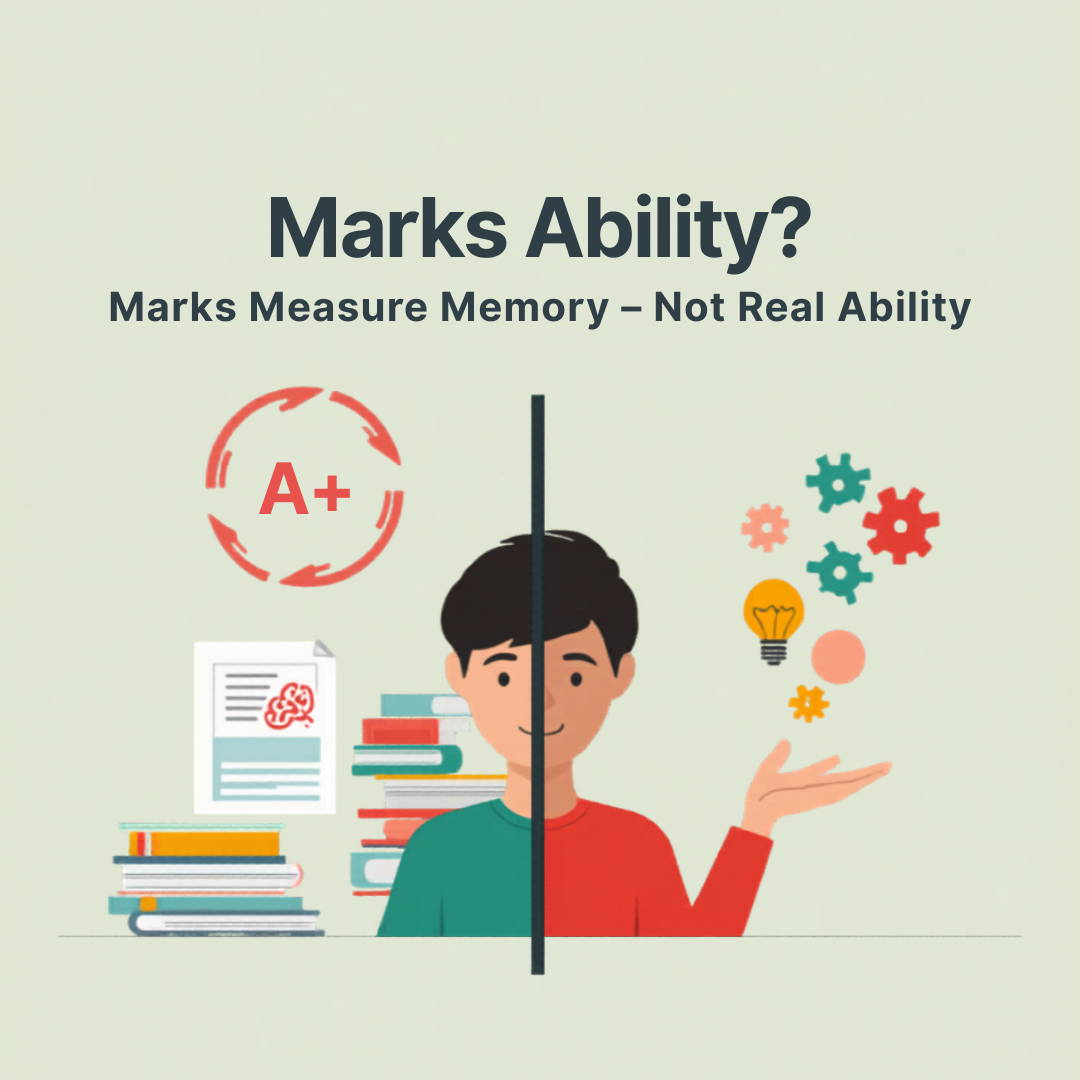
Most exams test how well a student can remember and reproduce information.
Students who are good at memorization often score high marks.
However, real life requires:
- Problem-solving
- Critical thinking
- Adaptability
Without these skills, marks alone have limited value.
Lack of Communication Skills Holds Students Back
Many students understand concepts but cannot express them clearly.
In real life:
- Interviews require clear communication
- Jobs require teamwork and interaction
Without communication skills, knowledge remains unused.
Fear of Failure Stops Real Growth
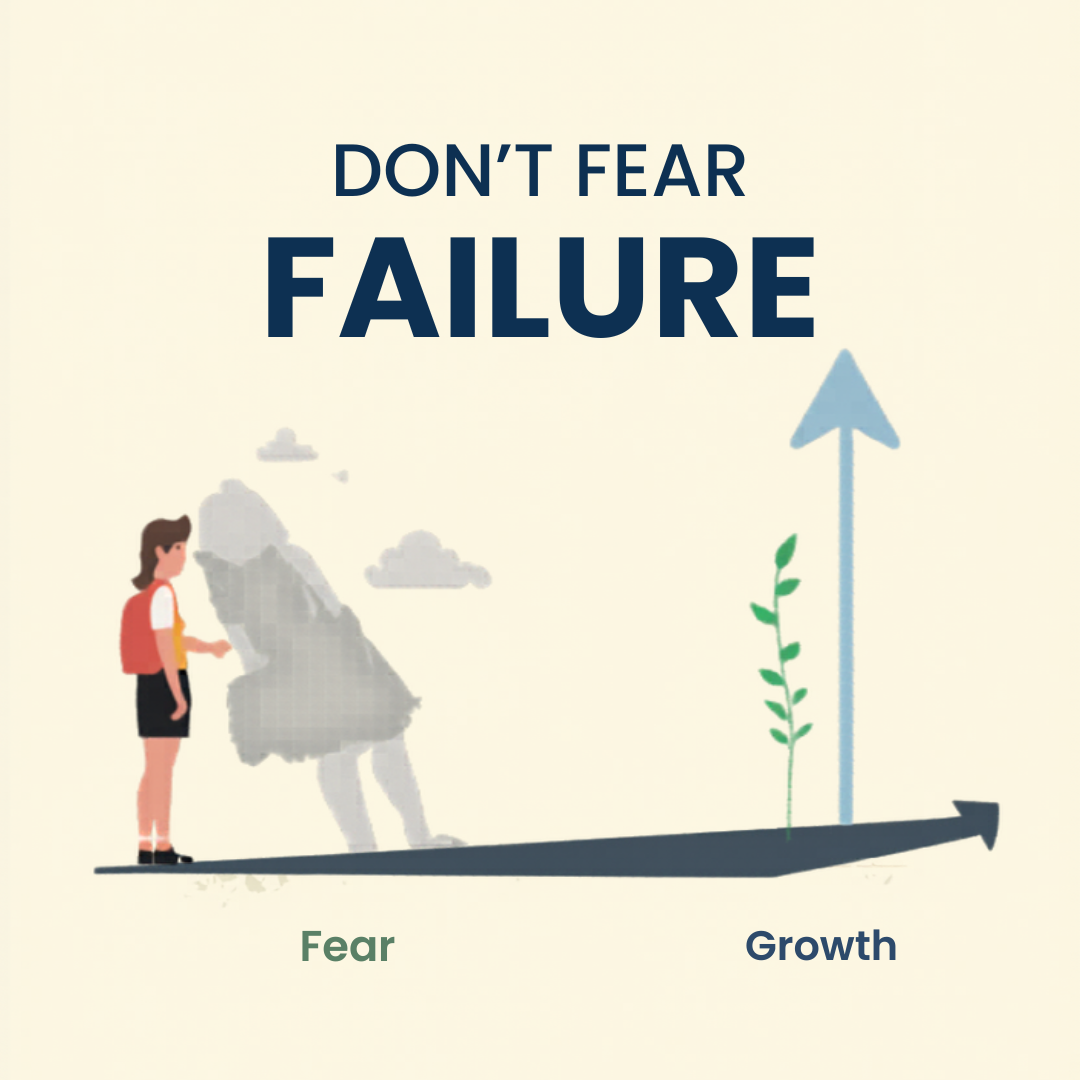
Students focused only on marks often:
- Avoid taking risks
- Fear making mistakes
- Stay within safe limits
But growth happens when students:
- Try new things
- Learn from failure
Fear of failure limits real progress.
No Exposure to Real-World Situations
School life is structured and predictable.
Real life is not.
Students often lack exposure to:
- Practical situations
- Independent thinking
- Real decision-making
This makes it difficult to handle real-life challenges.
Weak Decision-Making Skills
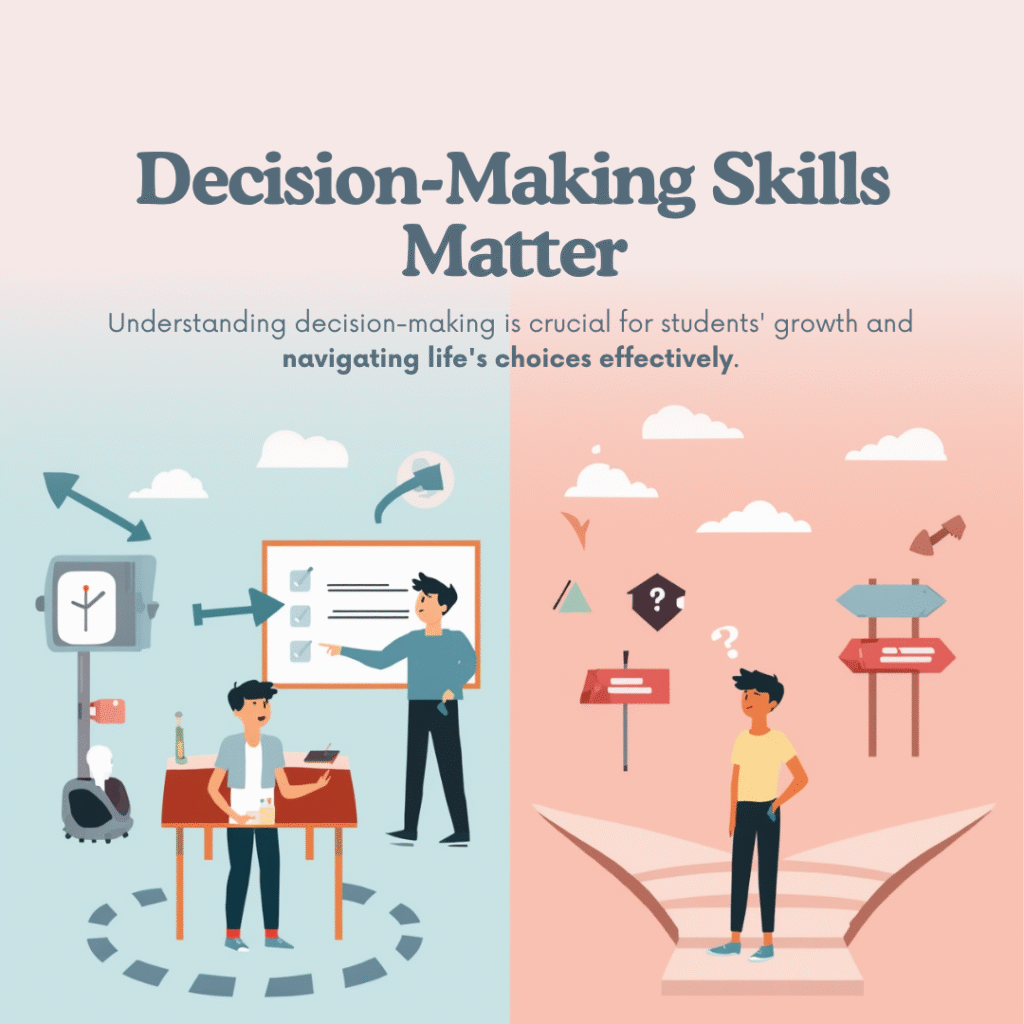
In school, students are told what to do.
In life, they must decide for themselves.
Without decision-making skills, students struggle with:
- Career choices
- Priorities
- Responsibilities
This creates confusion even in capable students.
Overdependence on Marks and Validation
Students who depend only on marks:
- Seek constant approval
- Lose confidence without grades
- Struggle without clear evaluation
Real life does not give marks for every effort.
Self-confidence must come from within.
Lack of Confidence Despite Academic Success
Many high-scoring students:
- Hesitate to speak
- Avoid taking initiative
- Doubt their abilities
Confidence comes from experience and expression, not just marks.
Skills That Actually Matter in Real Life
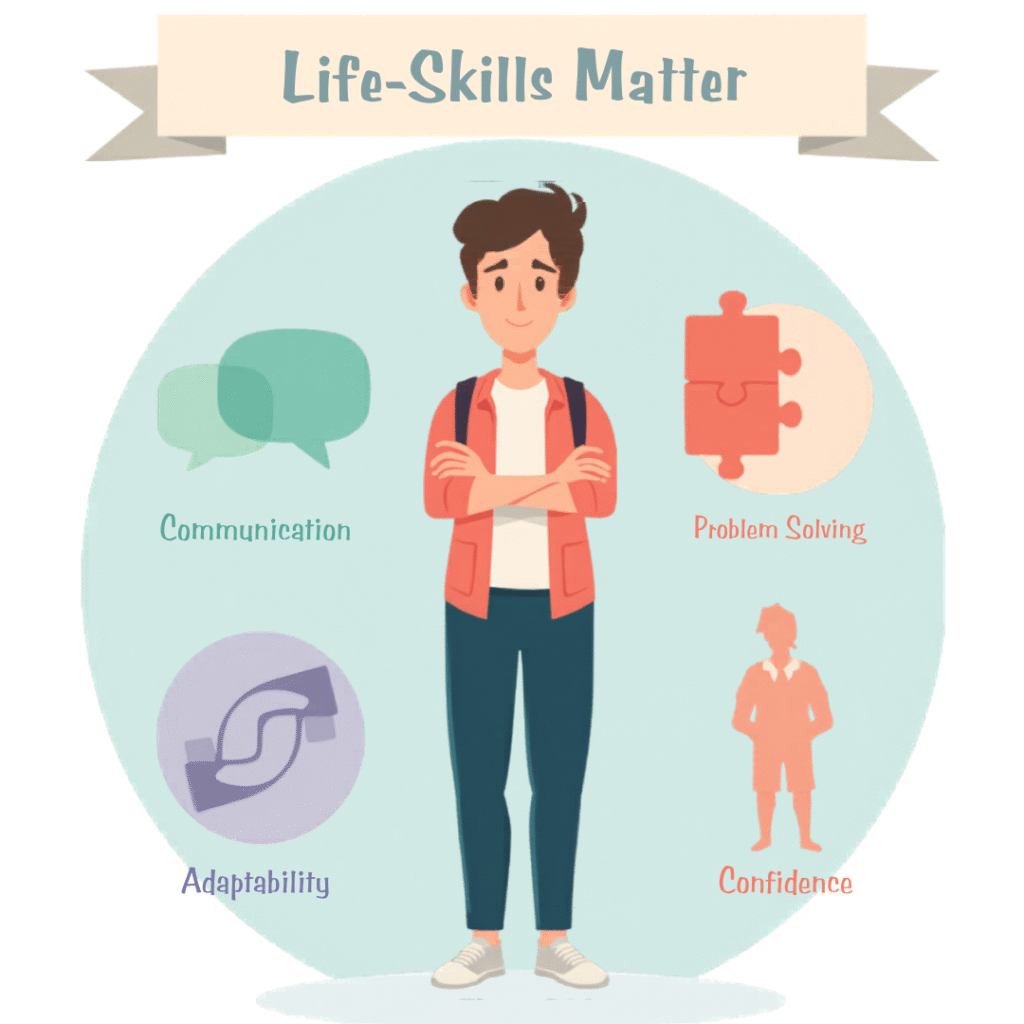
Students who succeed focus on:
- Communication
- Confidence
- Problem-solving
- Adaptability
Marks may open the first door, but these skills determine long-term success.
Conclusion
Good marks are important, but they are not enough.
They help in exams, but life requires much more.
Students must focus on skills, confidence, and real-world understanding to truly succeed.