




Every child has unique abilities, but not every child gets the right environment to express them.
In many cases, creativity is ignored because the focus remains only on marks and academic performance.
However, creativity and talent are essential for a child’s confidence, thinking ability, and long-term growth.
Why Creativity Matters for Children
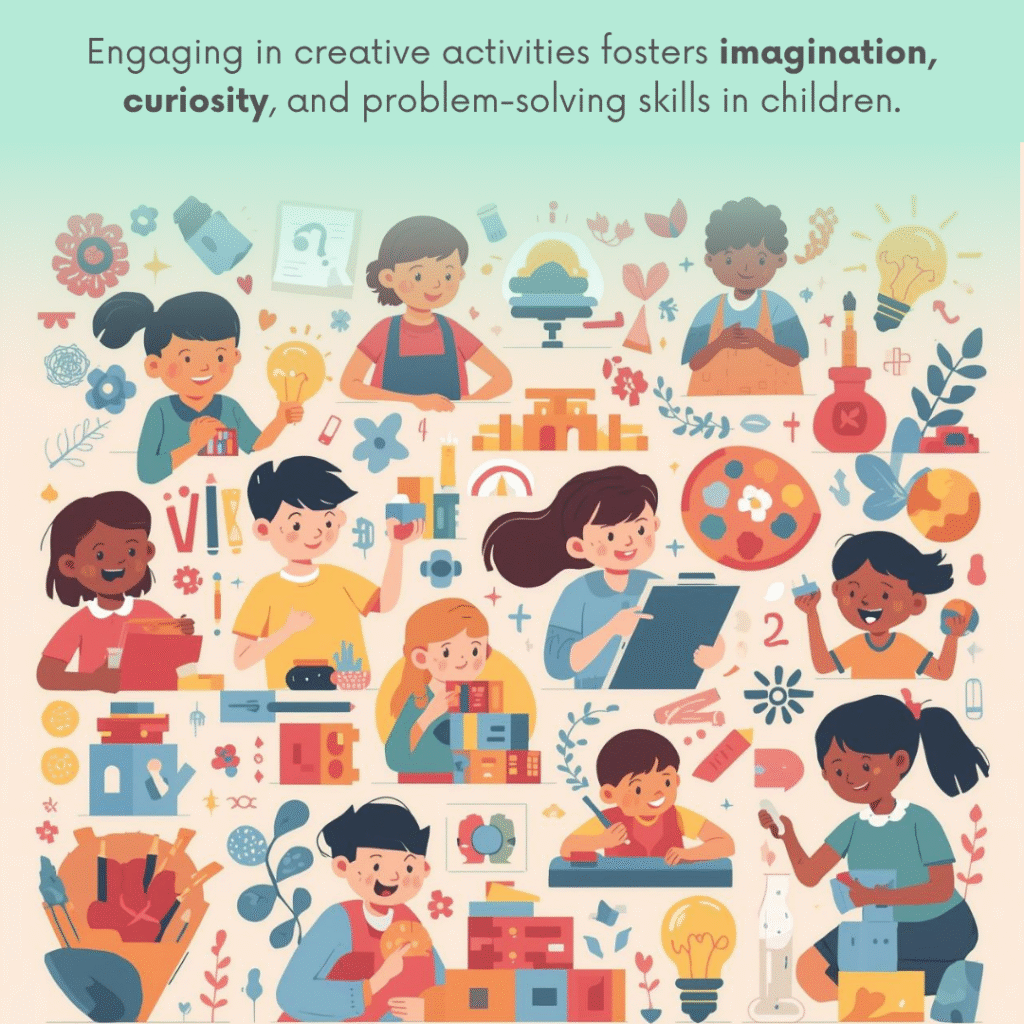
Creativity helps children:
- Think independently
- Solve problems in different ways
- Express their ideas and emotions
- Build confidence
It is not limited to art or music—it includes thinking, communication, and innovation.
1. Observe Your Child’s Natural Interests
Every child shows signs of interest in certain activities:
- Drawing, music, storytelling
- Building, experimenting, questioning
- Speaking, performing, creating
Parents should:
- Pay attention to these interests
- Encourage them without forcing
Talent grows when it is supported naturally.
2. Provide Opportunities to Explore
Children need exposure to discover their abilities.
Parents can:
- Introduce creative activities
- Allow participation in different experiences
- Give time for exploration beyond studies
Limiting children only to textbooks restricts their growth.
3. Avoid Comparing With Other Children
Comparison:
- Reduces confidence
- Creates unnecessary pressure
- Discourages individuality
Each child has a different pace and different strengths.
Supporting uniqueness is more important than chasing uniform success.
4. Encourage Expression Without Fear
Children should feel free to:
- Share their ideas
- Ask questions
- Try new things
Parents should:
- Listen patiently
- Avoid immediate criticism
- Appreciate effort
Confidence grows when children feel heard.
5. Balance Academics and Creativity
Academics are important, but they should not replace creativity.
A balanced approach includes:
- Time for studies
- Time for creative activities
- Time for rest and reflection
This balance helps in overall development.
6. Focus on Effort, Not Just Results
Creativity is a process, not a result.
Parents should:
- Appreciate participation
- Encourage improvement
- Avoid expecting perfection
When children are not afraid of failure, they try more and learn more.
7. Create a Supportive Environment at Home

A positive environment includes:
- Encouragement
- Freedom to explore
- Emotional support
Small actions, like discussing ideas or appreciating creativity, make a big difference.
Role of Parents in Talent Development
Parents are the first mentors in a child’s life.
Their role is not to decide what the child should become, but to help the child discover who they are.
Conclusion
Every child has creativity and talent, but it grows only when it is supported properly.
By encouraging exploration, avoiding pressure, and creating a supportive environment, parents can help children develop confidence and skills that last for life.