



1. Why Discovering Potential Early Matters

Many students go through school without ever realizing what they are truly good at. They follow routines, complete assignments, and prepare for exams, but rarely get the chance to explore their real abilities.
The truth is, every student has potential—but it does not grow automatically. It needs the right environment, exposure, and mindset to develop early.
When students understand their strengths early:
- They gain confidence
- They make better academic choices
- They develop clarity about their future
- They stay more motivated in learning
Without this clarity, students often feel confused, compare themselves with others, and lose interest in studies.
2. Explore Different Interests
Students often limit themselves to textbooks. That’s a mistake.
They should try different activities like:
- Reading and writing
- Science experiments
- Public speaking
- Creative projects
Trying new things helps students understand what they enjoy and where they perform best.
3. Identify Natural Strengths
Every student shows signs of their strengths early.
Some may:
- Understand concepts quickly
- Communicate ideas clearly
- Think creatively
- Solve problems logically
Instead of ignoring these signs, students and parents should observe and support them.
4. Focus on Concept-Based Learning
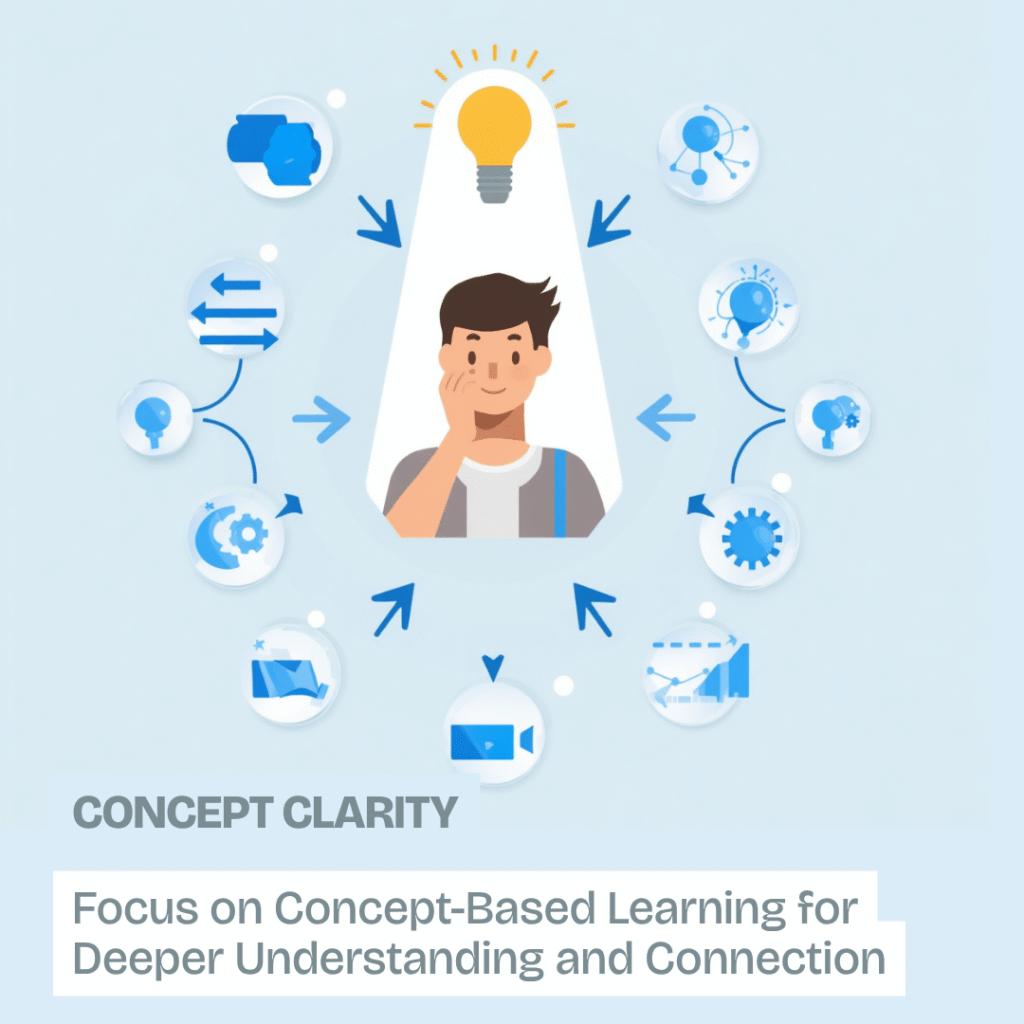
When students only memorize, they don’t discover their true ability.
But when they:
- Understand concepts
- Ask questions
- Apply knowledge
they begin to see what they are actually good at.
Real potential shows in thinking, not memorizing.
5. Encourage Curiosity and Questions
Students who ask questions learn faster and deeper.
They should be encouraged to:
- Ask “why” and “how”
- Explore beyond textbooks
- Discuss ideas openly
Curiosity is one of the strongest indicators of potential.
6. Avoid Comparison with Others
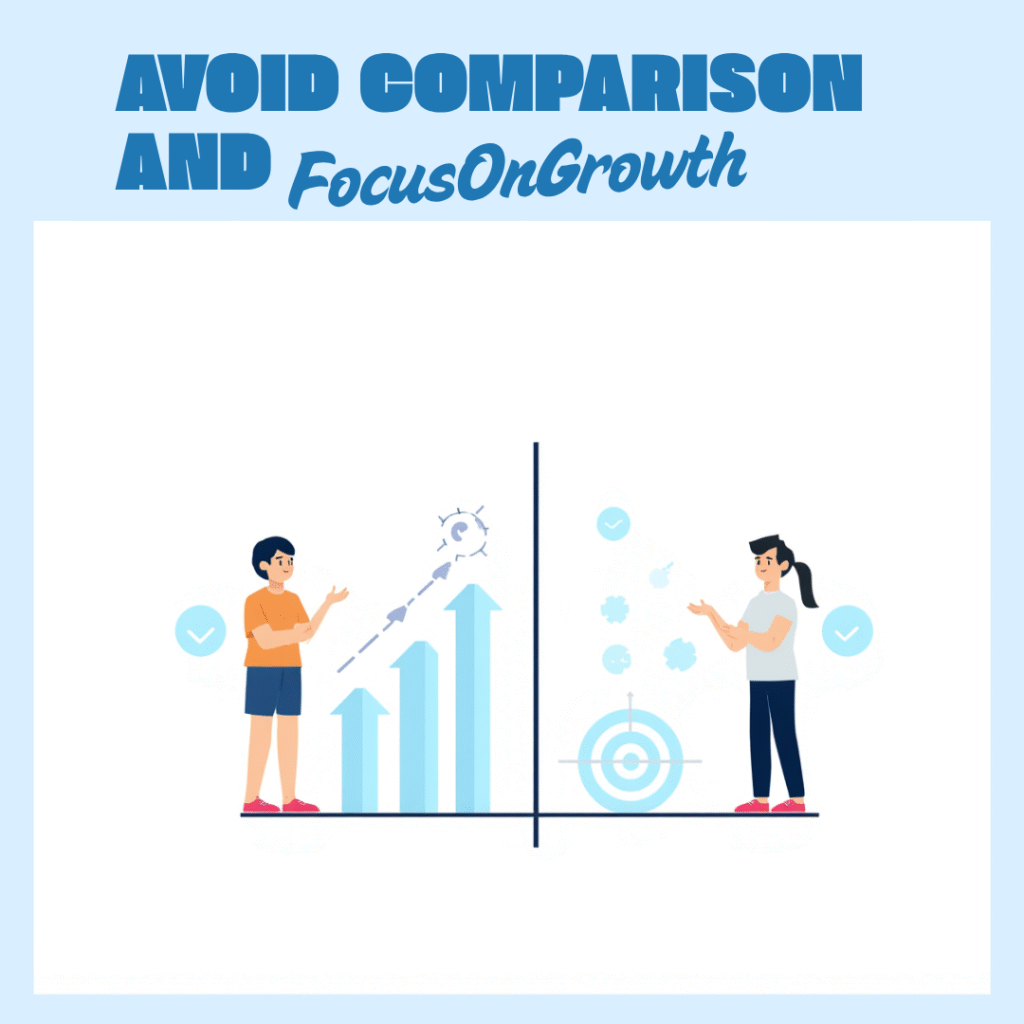
Comparing students with others:
- Reduces confidence
- Creates pressure
- Hides individuality
Every student grows at a different pace. Potential develops when students focus on their own progress, not others.
7. Build Confidence Through Small Wins
Confidence does not come from big achievements. It builds through small progress.
Students should:
- Set small goals
- Complete them regularly
- Track improvement
This helps them realize their capabilities step by step.
8. Learn from Mistakes Instead of Avoiding Them
Many students fear failure. That slows growth.
Instead, they should:
- Treat mistakes as learning
- Analyze what went wrong
- Improve gradually
Potential develops when students are not afraid to try.
9. Seek Guidance and Balance Skill Development
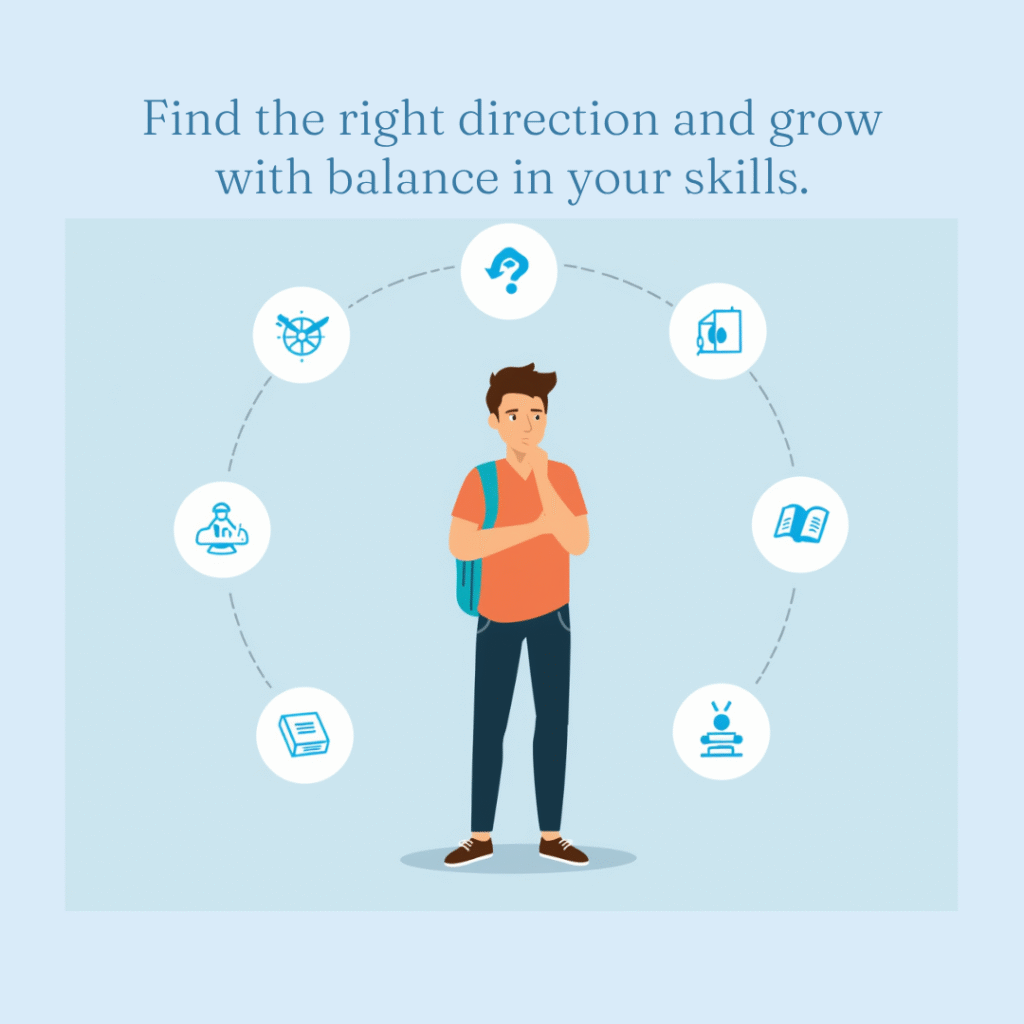
Students often struggle because they don’t know the right direction.
Guidance helps in:
- Identifying strengths and weaknesses
- Creating a structured path
- Staying consistent
At the same time, students should also develop:
- Communication skills
- Creativity
- Problem-solving ability
These skills help them discover their true potential beyond academics.
Conclusion
Every student has hidden potential, but it does not appear on its own. It develops through exploration, consistency, and the right guidance.
Students do not need to be perfect—they just need to start understanding themselves early.
Because in the end, success is not about doing everything.
It is about knowing what you are meant to do—and getting better at it every day.