



In today’s fast-changing world, knowledge alone is not enough.
At the same time, creativity without direction also has limited impact.
Real growth happens when knowledge and creativity come together.
Students who combine what they learn with how they think and express ideas are better prepared for life, not just exams.
What Do We Mean by Knowledge and Creativity?
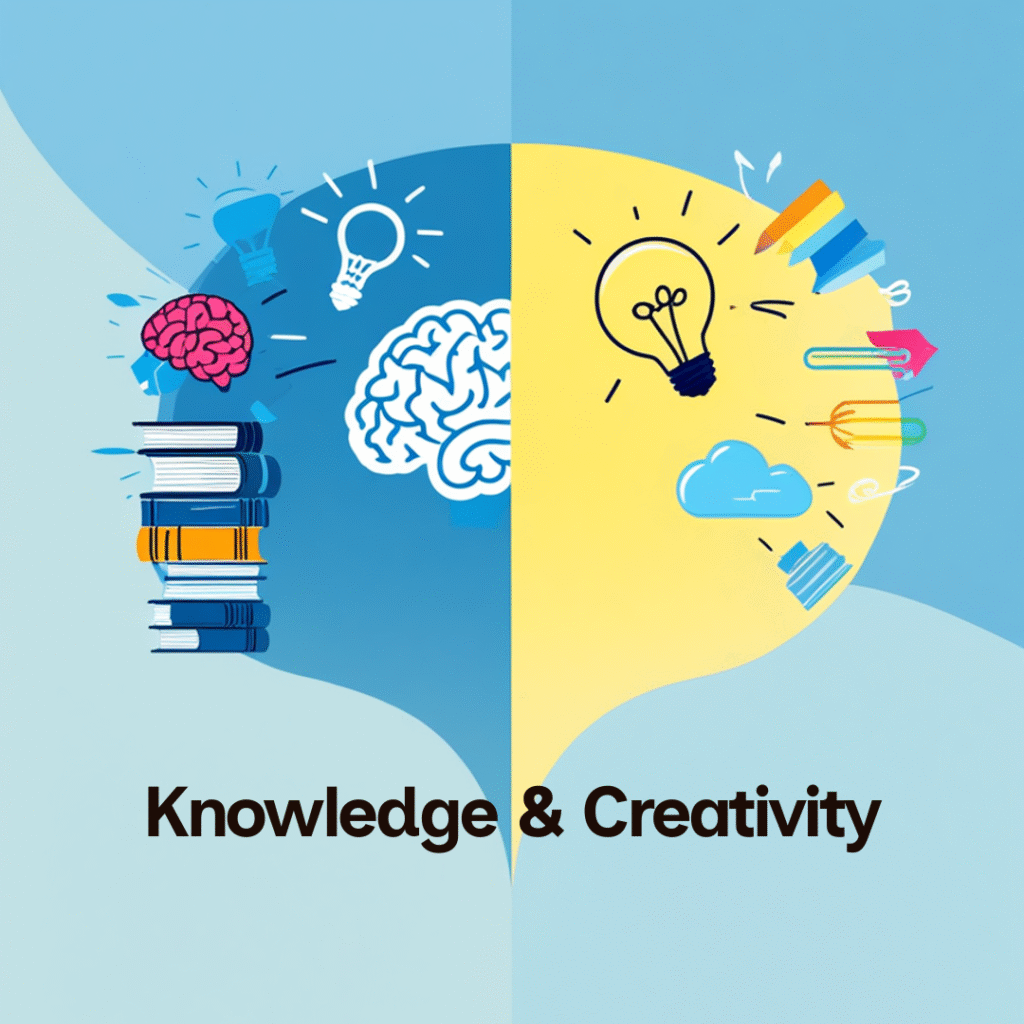
Knowledge is:
- Understanding concepts
- Learning facts and ideas
- Gaining information through education
Creativity is:
- Thinking differently
- Expressing ideas in unique ways
- Solving problems with new approaches
When these two work together, students move from learning to creating.
Why Knowledge Alone Is Not Enough
Many students focus only on:
- Memorizing answers
- Scoring marks
- Completing the syllabus
This helps in exams, but in real life, students need to:
- Apply what they learn
- Solve new problems
- Adapt to different situations
Without creativity, knowledge remains limited.
Why Creativity Needs Knowledge
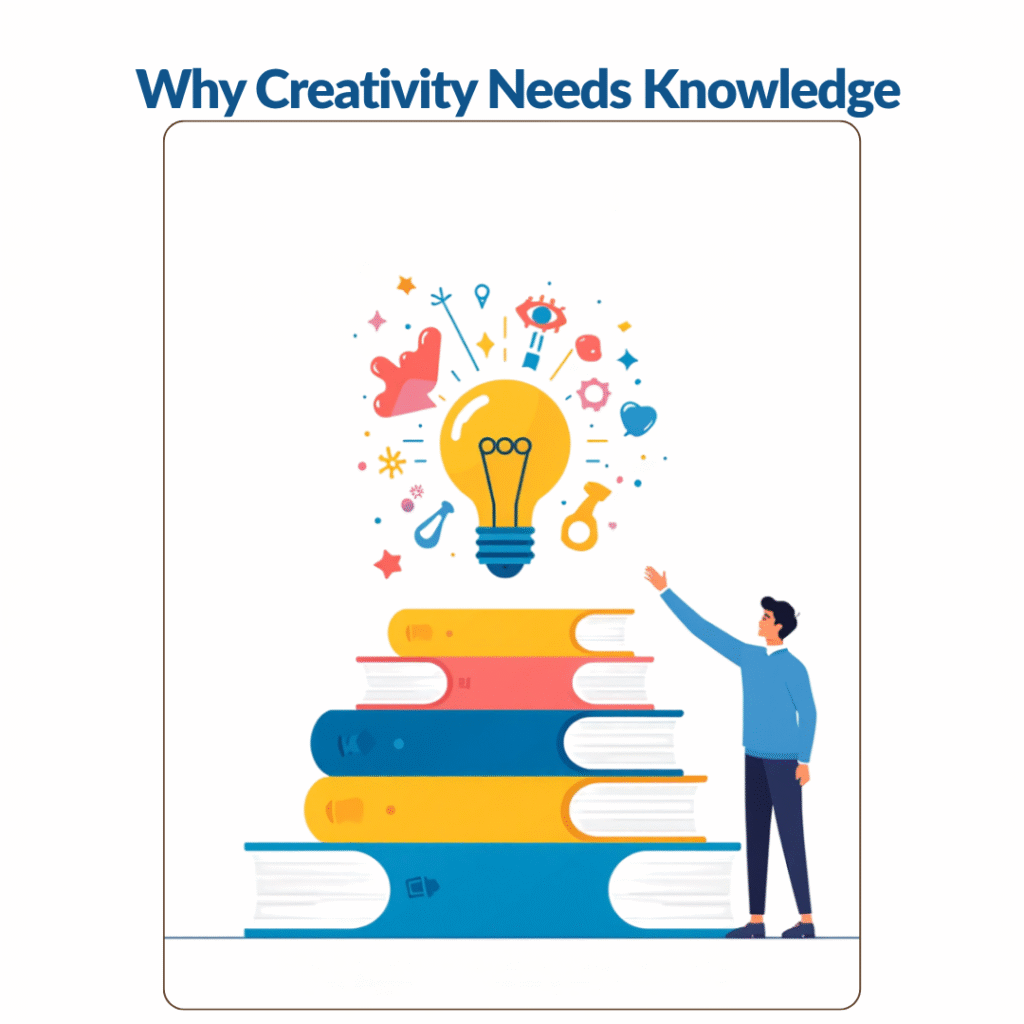
Creativity without knowledge often lacks direction.
For example:
- Ideas may be interesting but not practical
- Expression may be strong but not meaningful
Knowledge gives creativity:
- Depth
- Structure
- Purpose
Together, they create meaningful outcomes.
How Knowledge and Creativity Together Help Students
When students develop both, they:
1. Think More Clearly
They understand concepts and can apply them in different ways.
2. Solve Problems Effectively
They don’t just follow steps—they find new solutions.
3. Communicate Better
They can express ideas clearly through speaking, writing, or media.
4. Build Confidence
Creating something of their own increases self-belief.
5. Adapt to Real-Life Situations
They are not dependent on fixed answers.
The Role of Media and Expression
Creative platforms like:
- Video creation
- Presentations
- Storytelling
- Digital content
Help students:
- Apply knowledge
- Express ideas
- Build communication skills
This is where learning becomes active and engaging.
What Parents and Educators Should Focus On
To support this balance, they should:
- Encourage questions, not just answers
- Allow creative activities along with studies
- Provide opportunities for expression
- Focus on understanding, not memorization
Students need space to learn and create.
Real-Life Impact
Students who combine knowledge and creativity:
- Perform better in interviews
- Communicate ideas confidently
- Adapt to changing environments
- Build meaningful careers
They are not just learners—they become thinkers and creators.
Conclusion
Knowledge gives direction.
Creativity gives expression.
When both come together, they create confidence, innovation, and real growth.
Education should not stop at learning—it should lead to creating, thinking, and expressing.